AI literacy · A guide for families and classrooms
Supervised vs unsupervised learning.
One learns from examples with answers attached. The other looks for patterns without being given those answers. Try both with Binny and Foody.
What is the difference?
Supervised learning uses training examples paired with target answers, called labels. The aim is to learn a relationship that helps predict an answer for a new example. A label might be a category, such as “recyclable”, or a number, such as a house price.
Unsupervised learning looks for structure in data without those target answers. Clustering is one example: it groups things using a chosen measure of similarity. People still choose the data, the method and what to do with the result.
| Question | Supervised learning | Unsupervised clustering |
|---|---|---|
| What is supplied? | Examples with target labels. | Data without target group labels. |
| What is the task? | Predict a target for a new example. | Find groups using patterns of similarity. |
| What do humans decide? | The task, examples, labels and tests. | The data, similarity measure and interpretation. |
| Which activity shows it? | Train Binny | Meet Foody |
A recycling sorter and a grocery detective.
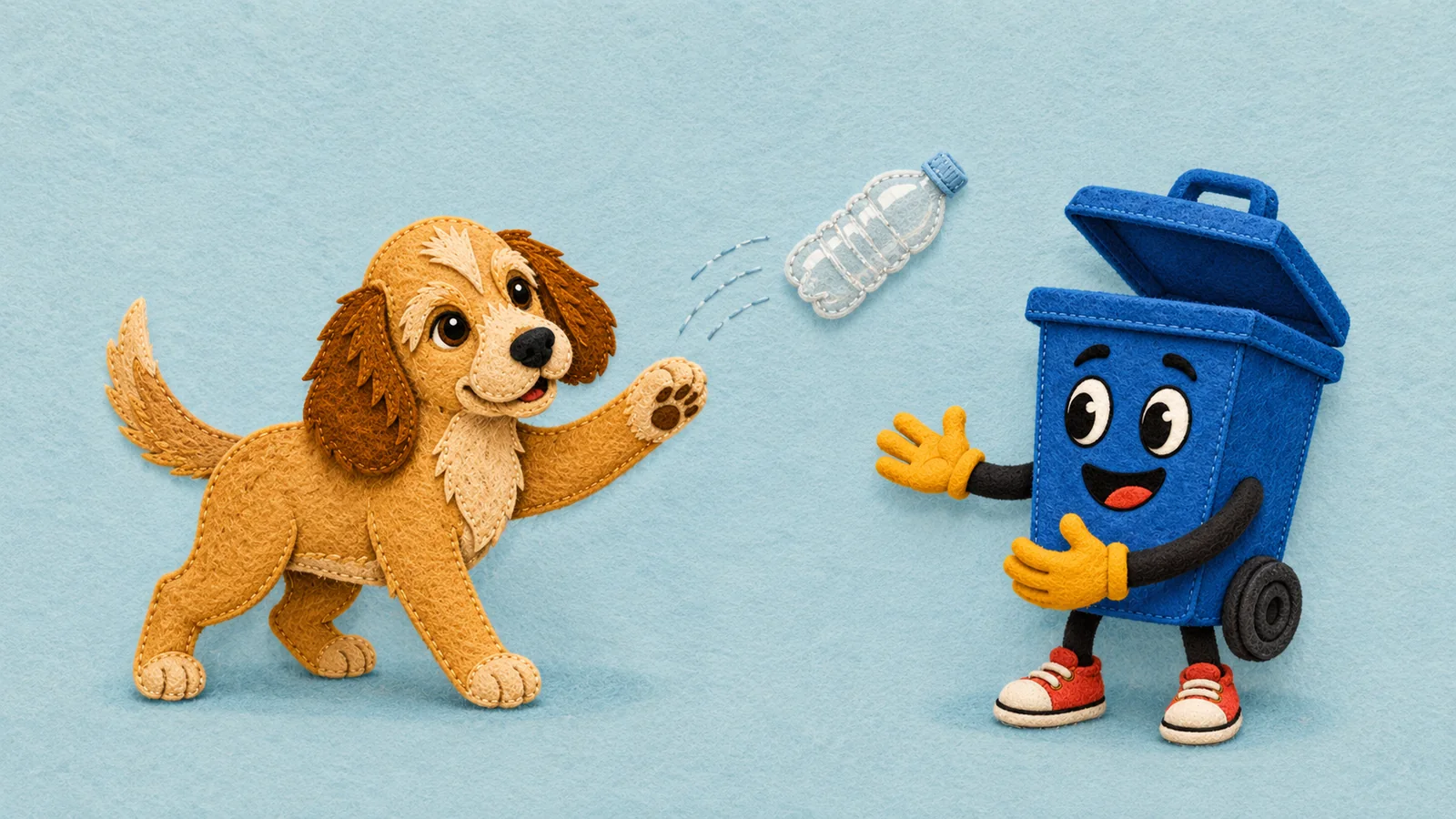
In Train Binny, humans supply labelled recycling examples. The story tests the fictional sorter on different objects, then changes the examples. Watch for the gap between recognising familiar examples and handling something new.
In Meet Foody, the fictional grocery assistant compares items that appear together in shopping records. The resulting clusters cross ordinary supermarket aisles. The manager gives them names such as “Movie night” and decides whether a promotion is worth testing.
“Unlabelled” does not mean the records contain no words. A receipt can identify popcorn and chocolate without saying “this is a movie-night basket”. That occasion label is the human interpretation added afterwards.
Mini-lab
Train Binny
Explore supervised learning with labelled examples. Test a fictional recycling sorter and notice its blind spots.
Train the model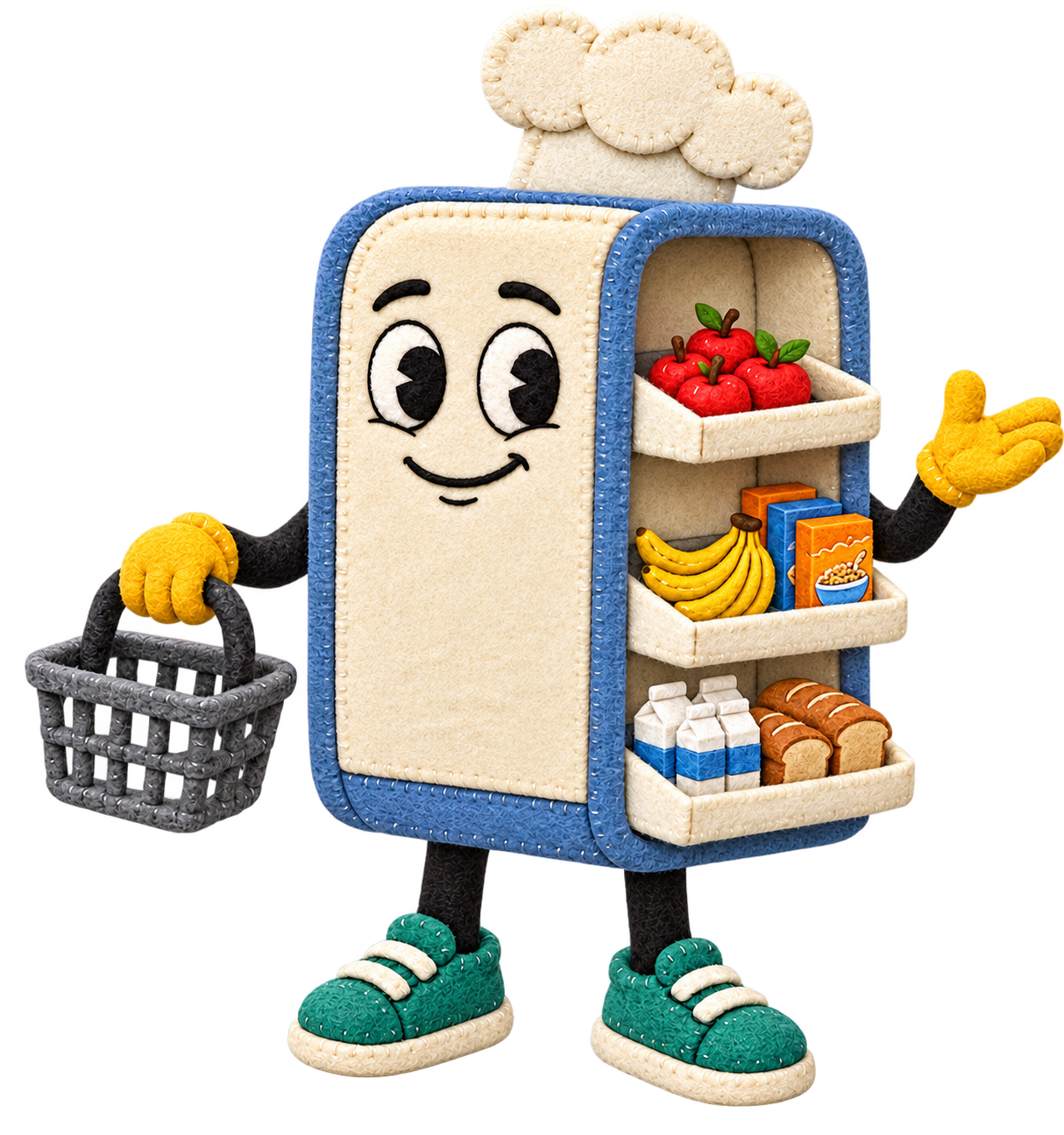
Mini-lab
Meet Foody
Explore unsupervised learning through fictional shopping records, repeated purchases and clusters that people interpret.
Find the patternsAbout these demonstrations: each takes around 10–15 minutes and needs no account. The examples and outcomes are prepared in advance. These are guided stories with interactions, not live AI models being trained in your browser. Foody’s Together Score is a simplified illustration, not a complete clustering algorithm.
Four questions to take into either lab.
- What information was supplied? Look for examples, labels and anything missing.
- What was the system asked to do? Sorting into given categories and discovering groups are different tasks.
- What would count as a useful result? A surprising cluster still needs checking. A correct-looking prediction still needs testing.
- Who makes the next decision? A pattern does not establish its cause or decide whether people should act on it.
Try Binny first, then Foody. Ask what changed when the answer labels disappeared, and what human choices remained. Families can discuss the examples together; teachers can use the same questions before and after each activity.