Observed
Binny struggled with unfamiliar shapes, materials and conditions.
Why do you think this occurred?
AI Literacy Mini-Lab
Words used in the lab
Labelled examples used to train the model.
A system trained to find patterns and produce an output for a new input.
Examples kept separate from training so we can see how the model responds.
The category or action produced by the model.
Train Binny
1 of 9
Step 1 of 9: Meet
Step 1
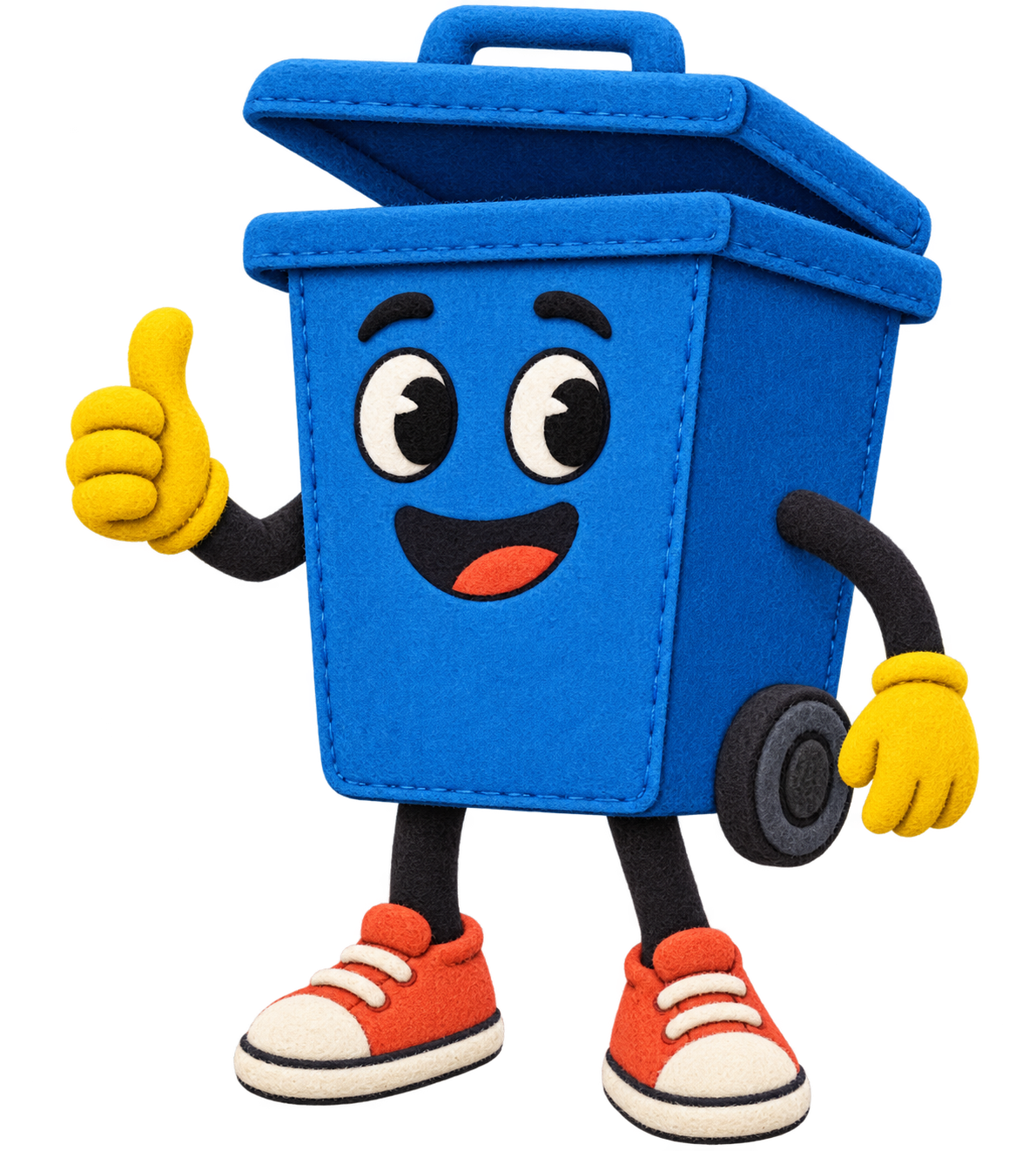
Meet Binny, the AI recycling robot! Binny helps humans in a recycling centre. The humans showed Binny examples of what can be recycled.
Step 2
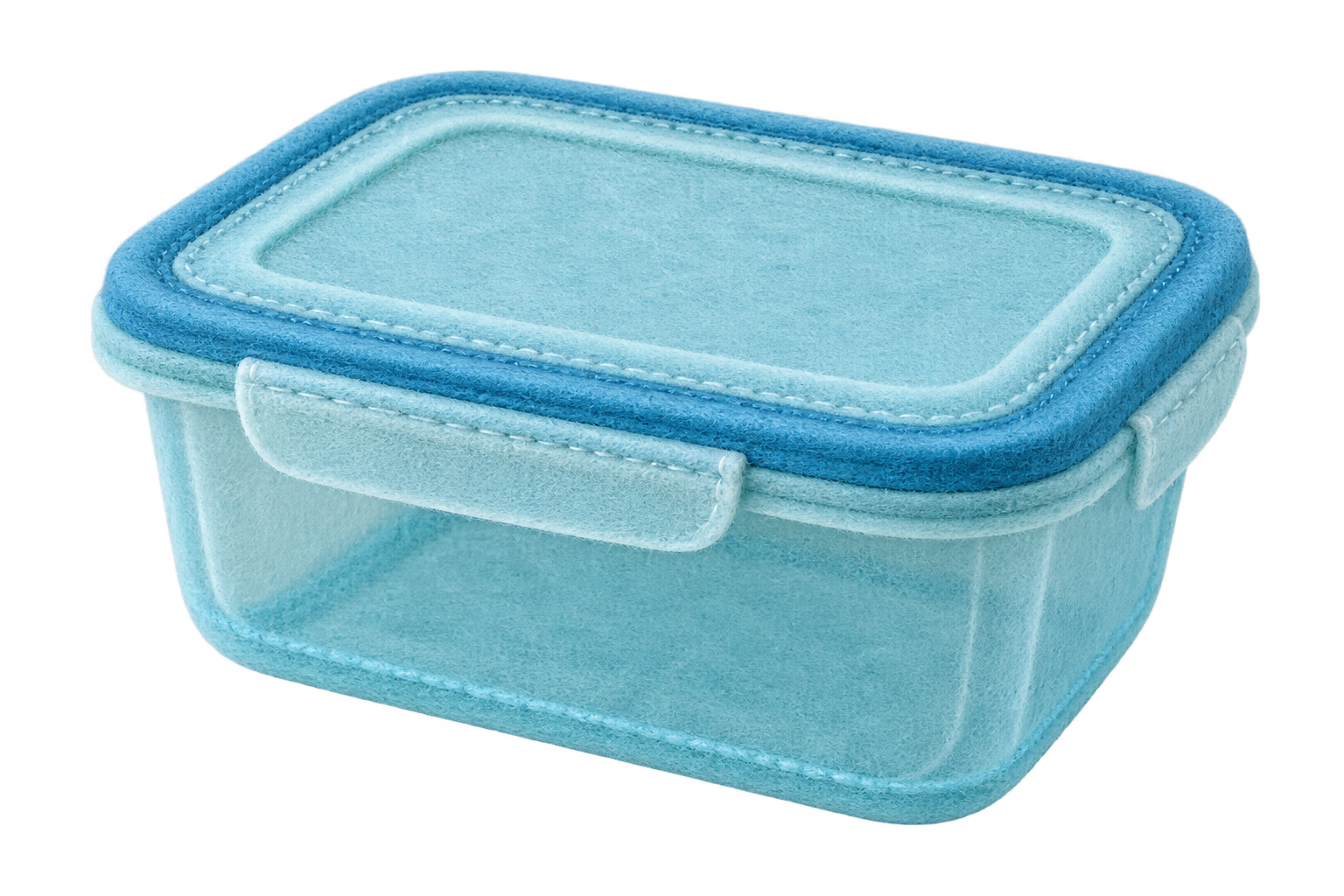
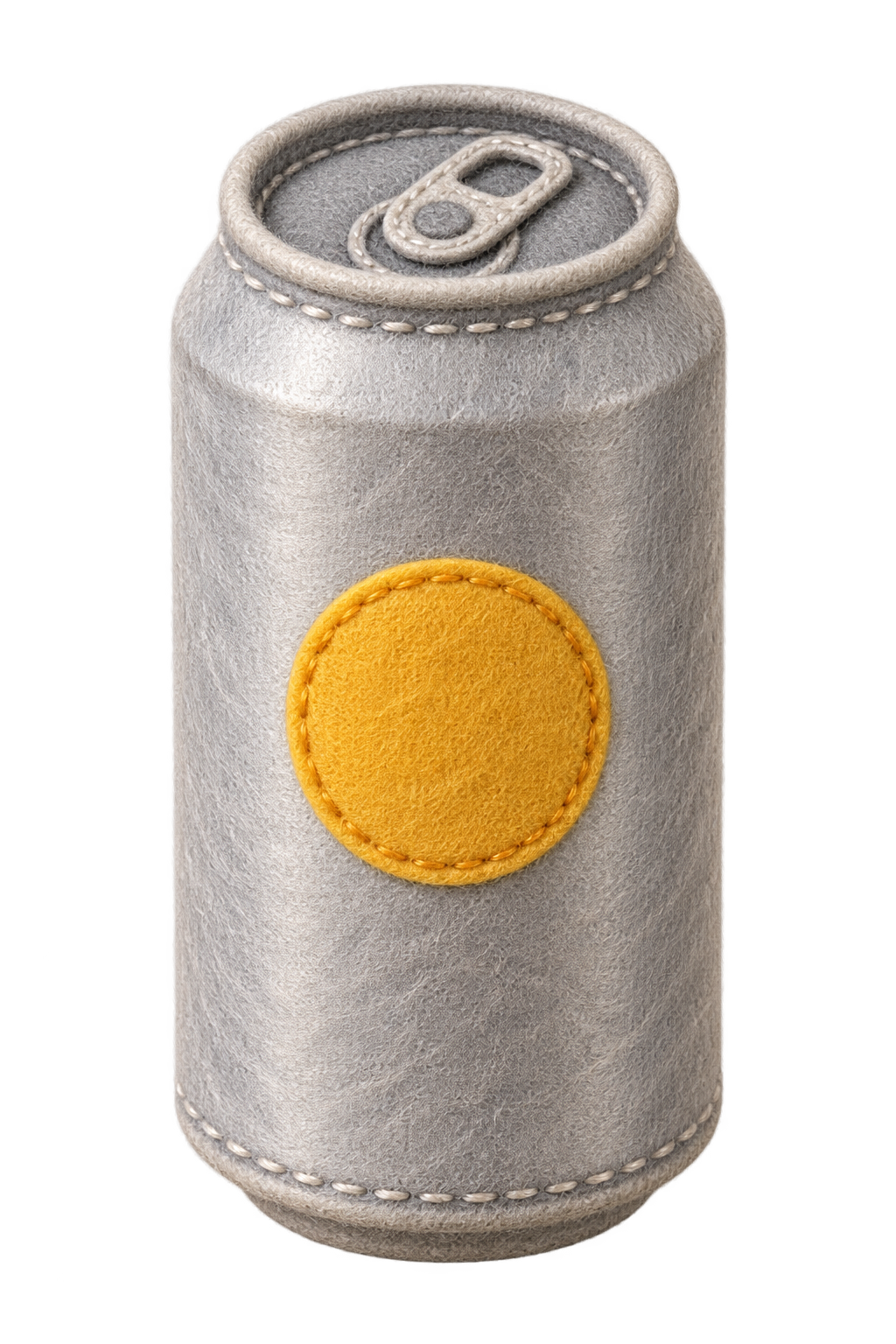
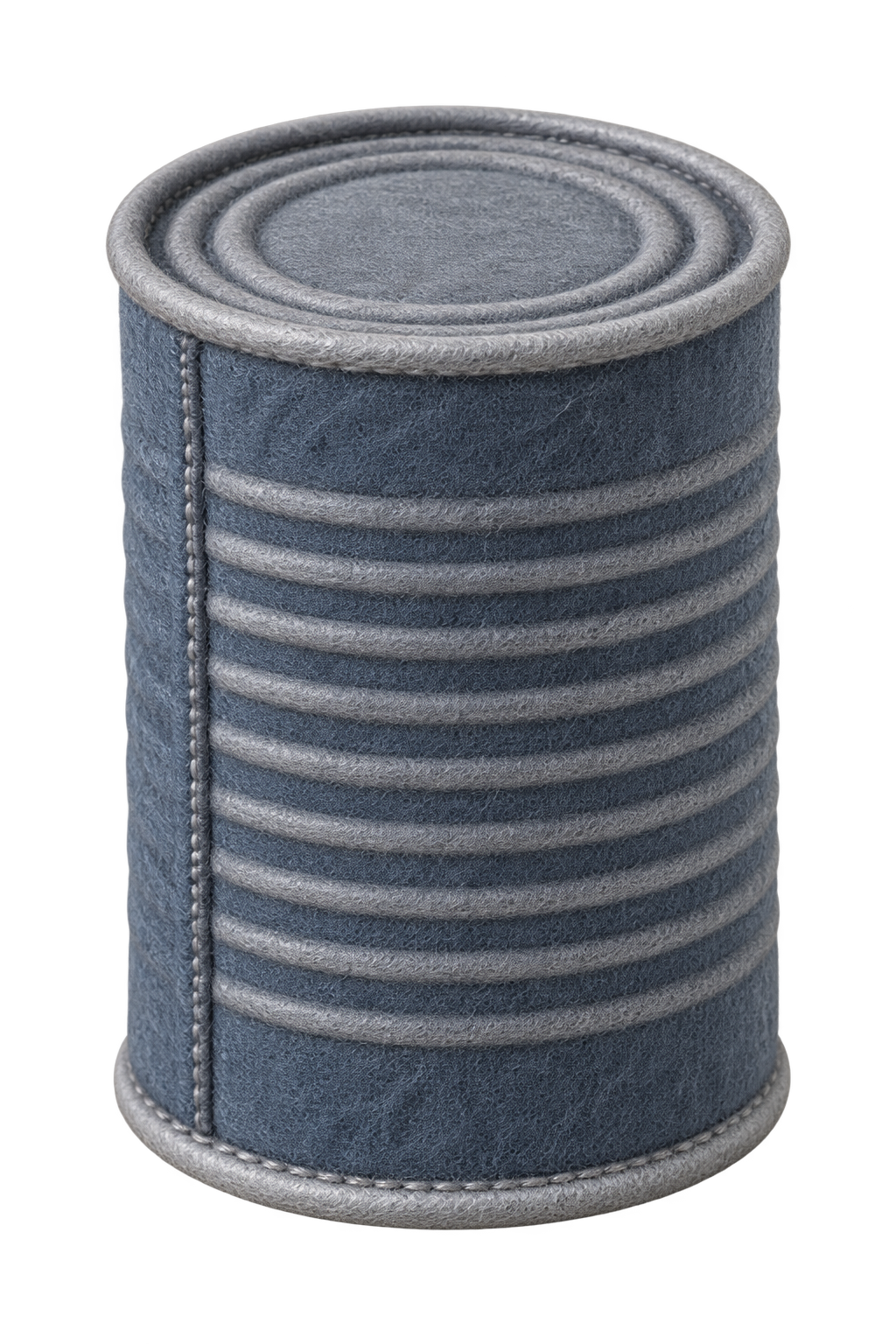


AI-assisted object illustrations
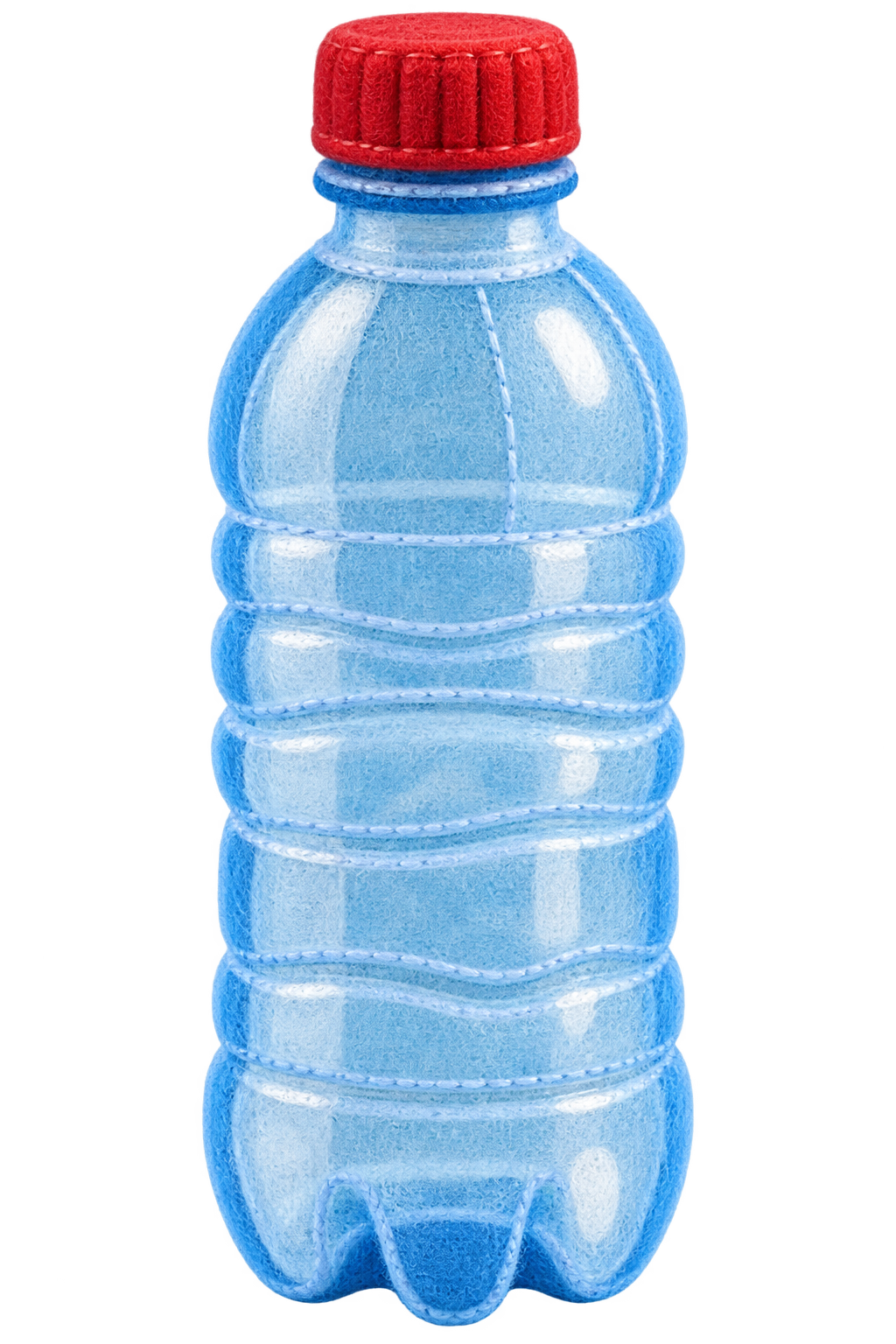
Every example above already has a name and a correct answer attached — the humans knew these items could be recycled before Binny ever saw them. Training with labelled examples like this is called supervised learning: the model learns by comparing its own guesses to answers that were already known.
Step 3
After reviewing the training examples, Binny's internal settings (parameters) were adjusted so it could predict what should be recycled and what should be trash.
Step 4
0 of 8 outputs revealed
Binny handled the familiar bottle and newspaper easily. Changed shapes and new materials caused inconsistent results. Several recyclable items were sent to trash.
Step 5
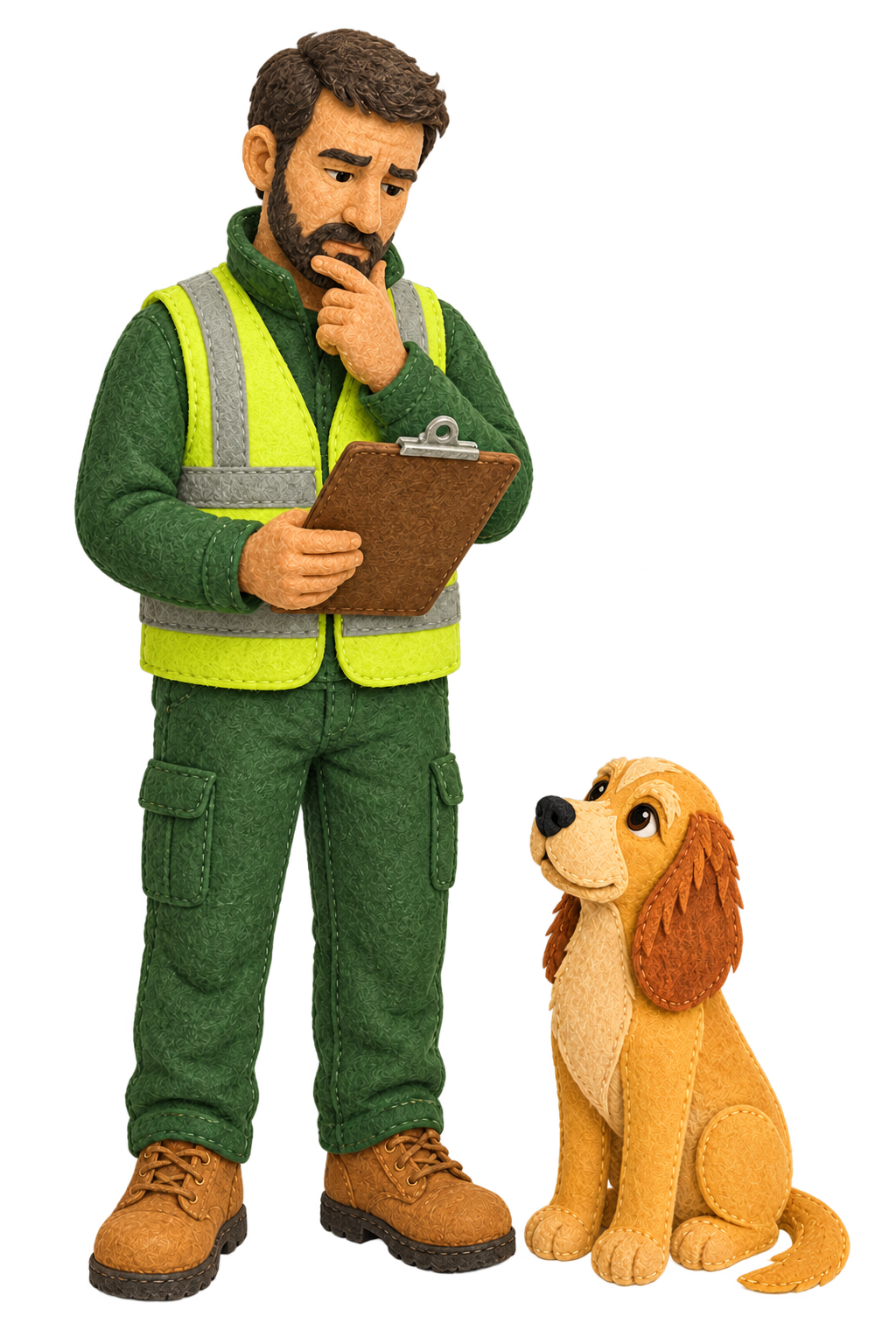
Let's check in with the recycling centre manager after one week of Binny sorting items.
Observed
Why do you think this occurred?
Pattern
Here's what the humans think Binny is doing: recycling anything that looks like paper, plastic or metal, and trashing everything else.
Impact
In our fictional centre, many recyclable items were being sorted as trash, so the process became less efficient.
Step 6
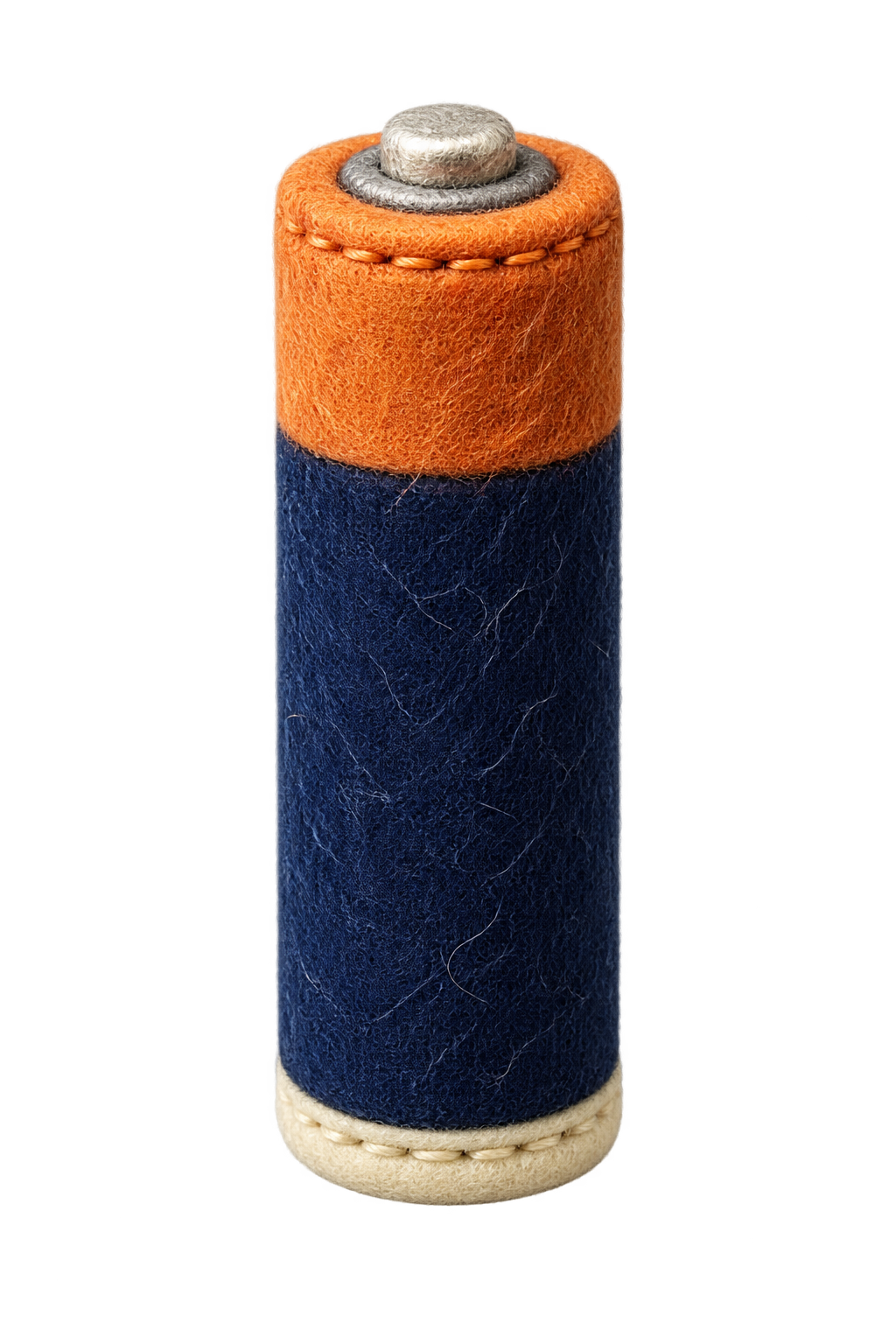
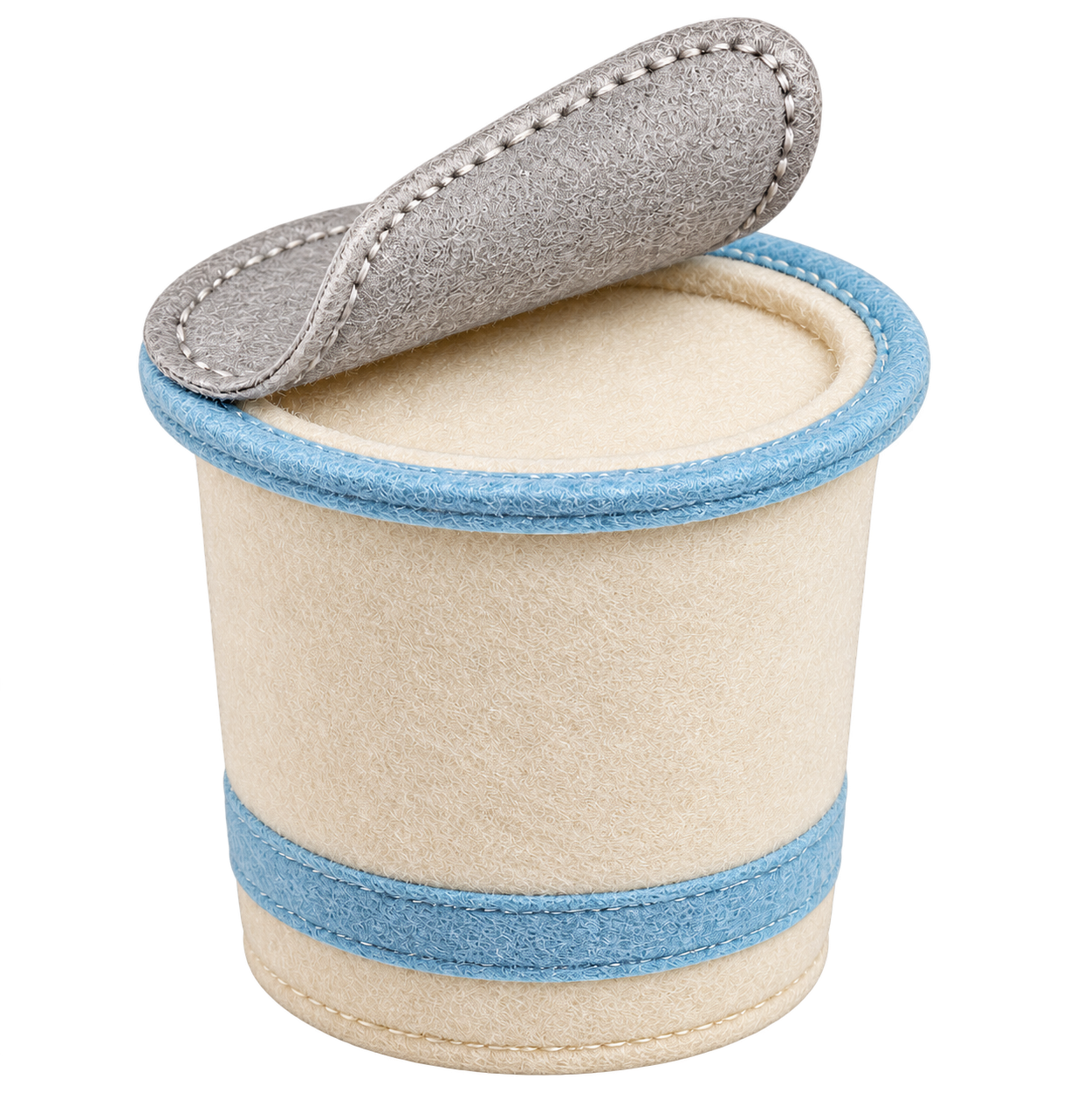
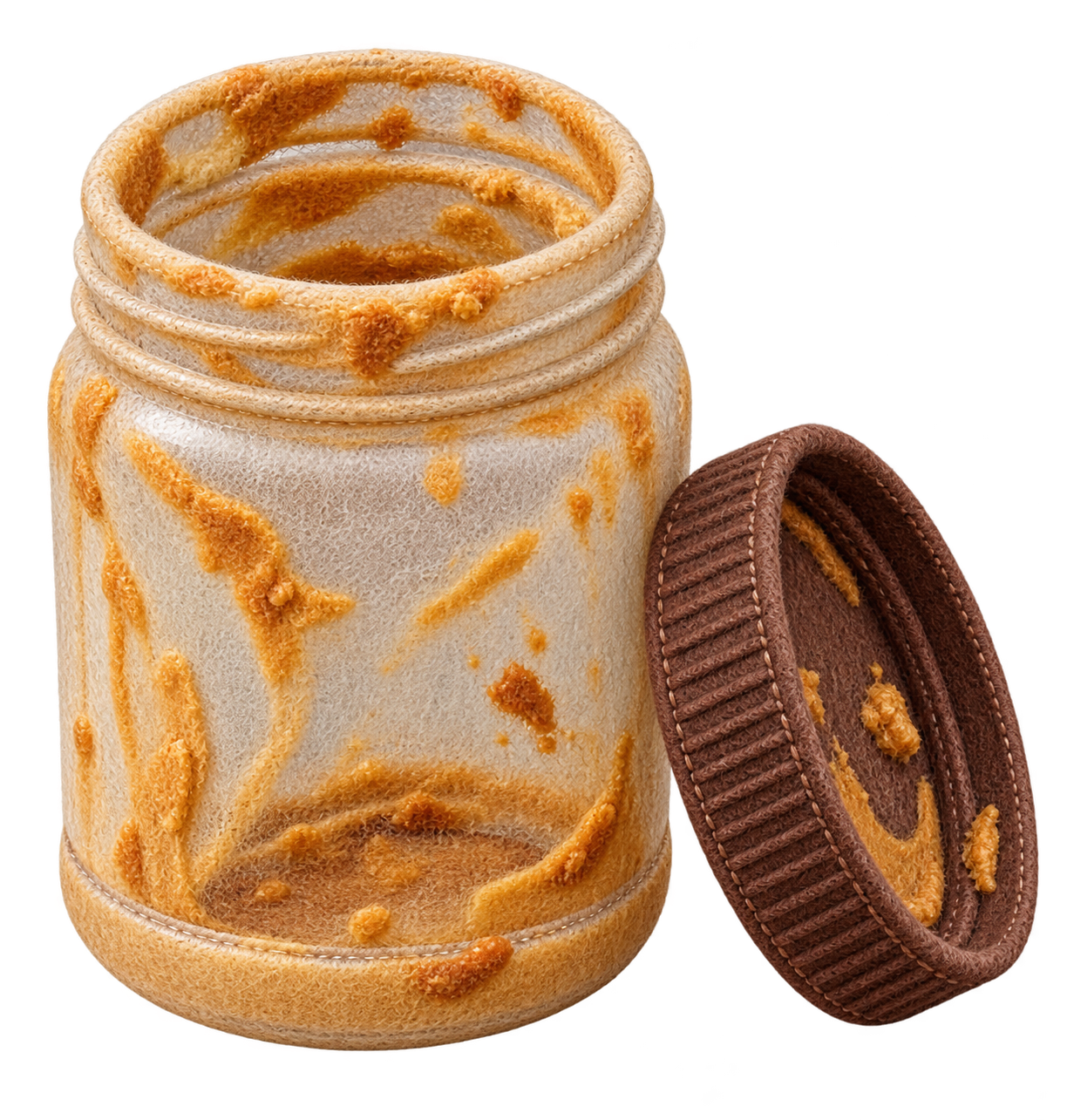
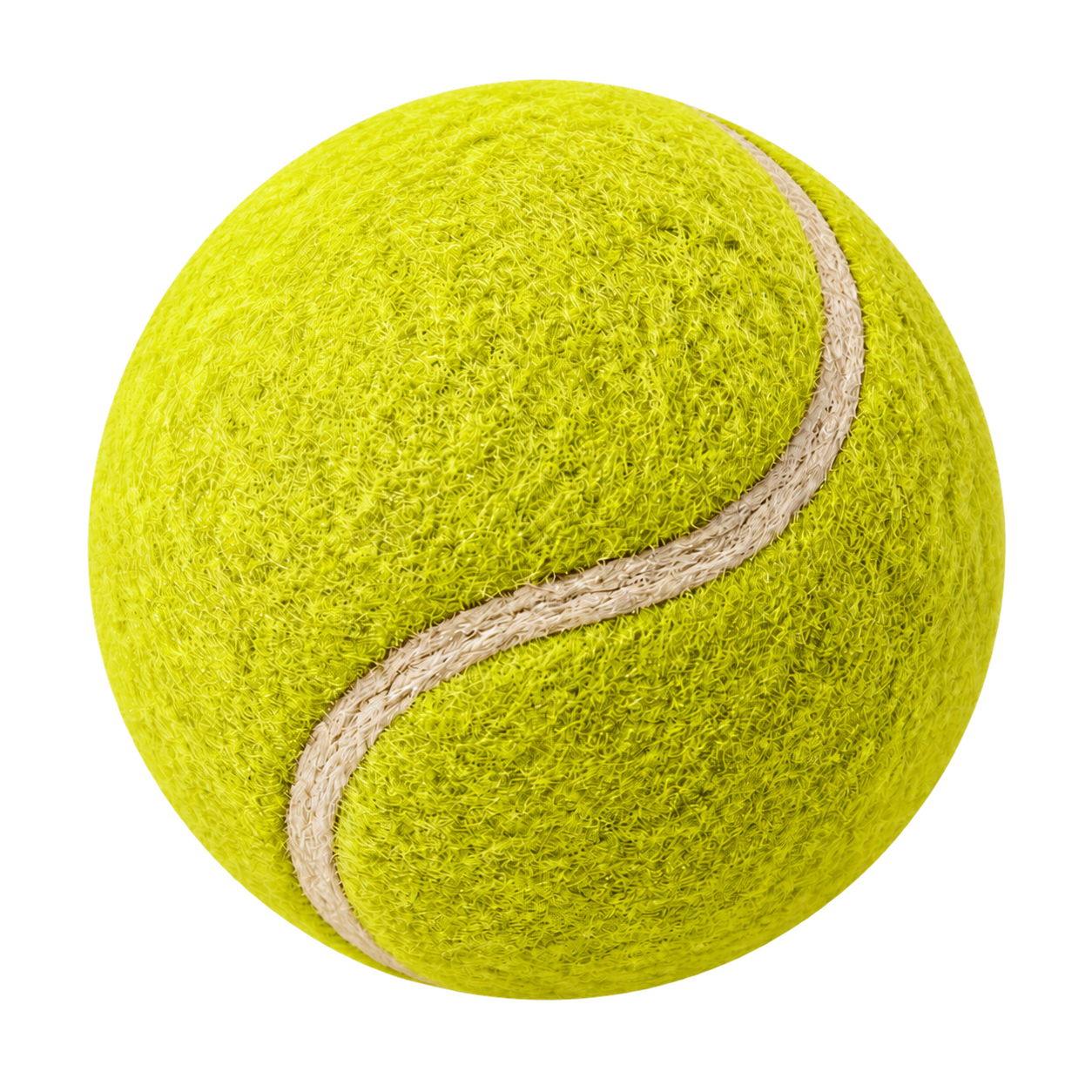
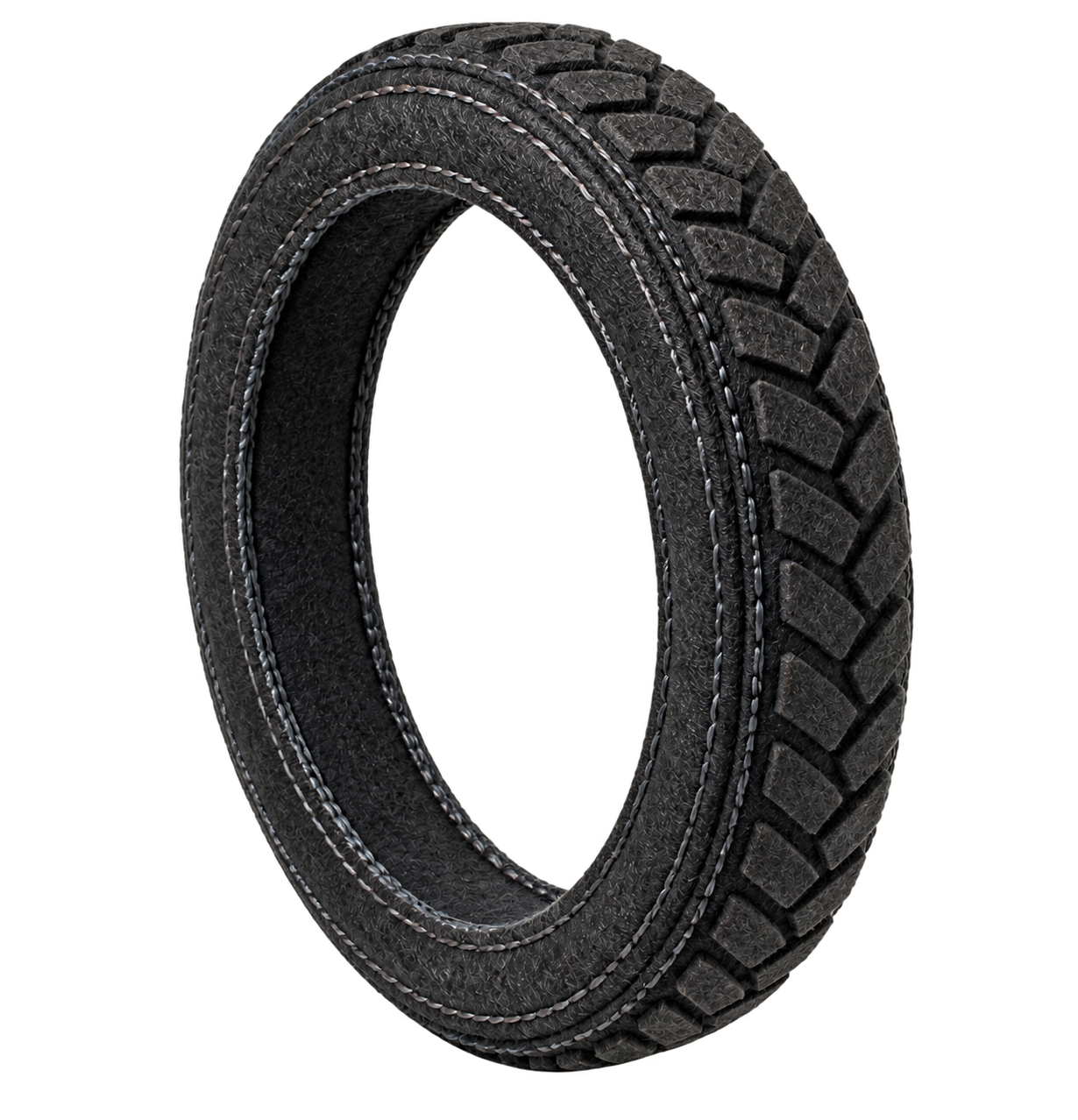
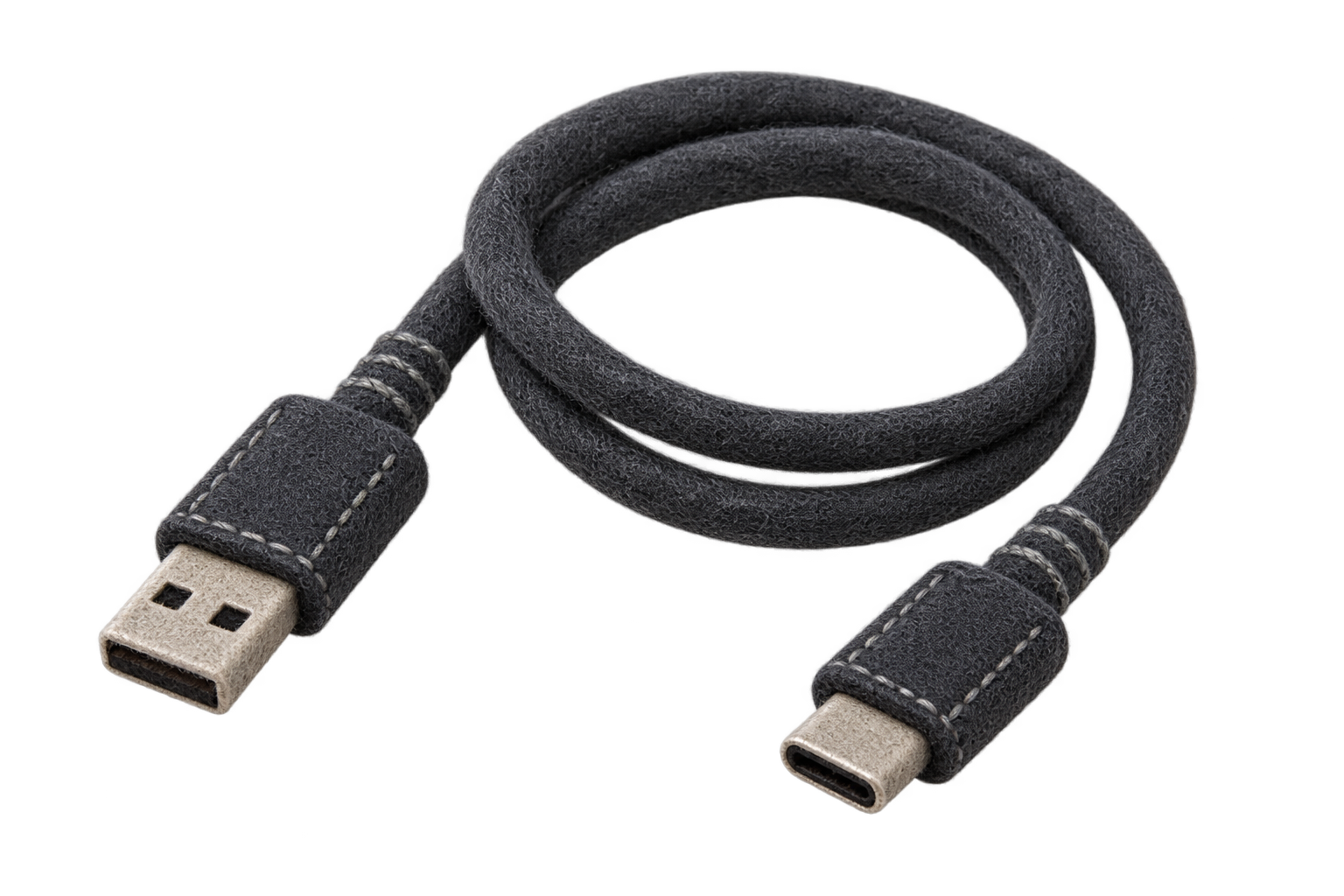
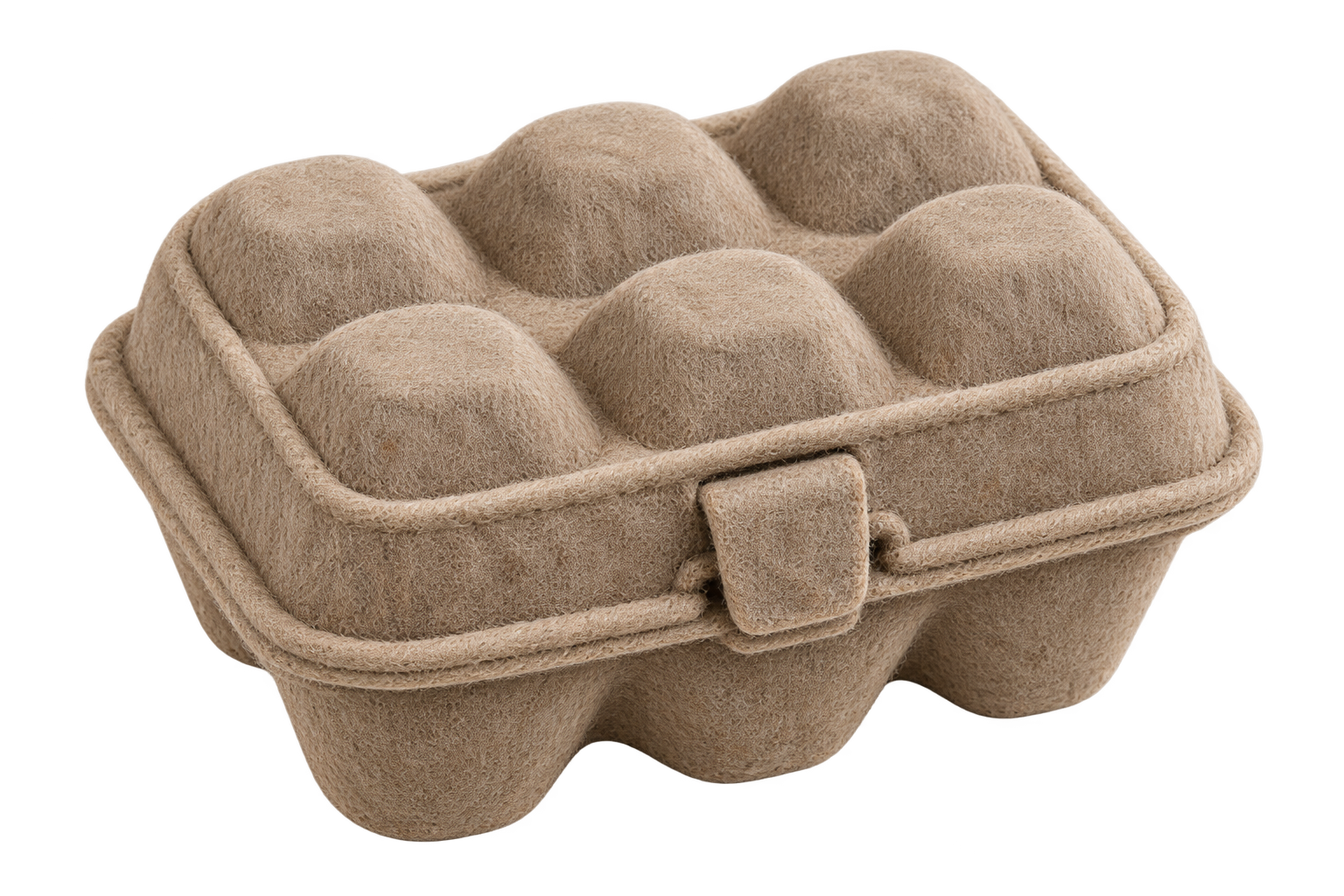
Rosie fetches examples with new materials, shapes and conditions. The humans review and label them before using them for training.






AI-assisted object illustrations
Step 7
After the humans reviewed the errors and added new examples, Binny's internal settings were adjusted again. Let's see how it handles new and unfamiliar items now.
Training a model again on a smaller, targeted batch of examples — usually to fix specific gaps like Binny's — is sometimes called fine-tuning. It's still supervised learning, just a second, more focused round of it.
Step 8
0 of 12 outputs revealed
The broader examples helped Binny handle more shapes and materials. The dirty jar was sent for cleaning, and the unfamiliar battery was sent to a human. Better performance still depends on people choosing useful examples, rules and checks.
Step 9
Train Binny
It looks like Binny recycles clean items, cleans dirty recyclables before sorting, asks a human when something's confusing, and only trashes what it's confident isn't recyclable.
A broader range of clean, dirty, changed and unfamiliar objects helped Binny handle more cases and recognise when a person should review an item.
Review unfamiliar or potentially hazardous items, including batteries, cables and light globes, before choosing a facility action.
Humans need to provide the training examples. They will always need to be involved in handling unusual cases and fixing mistakes.