Observed
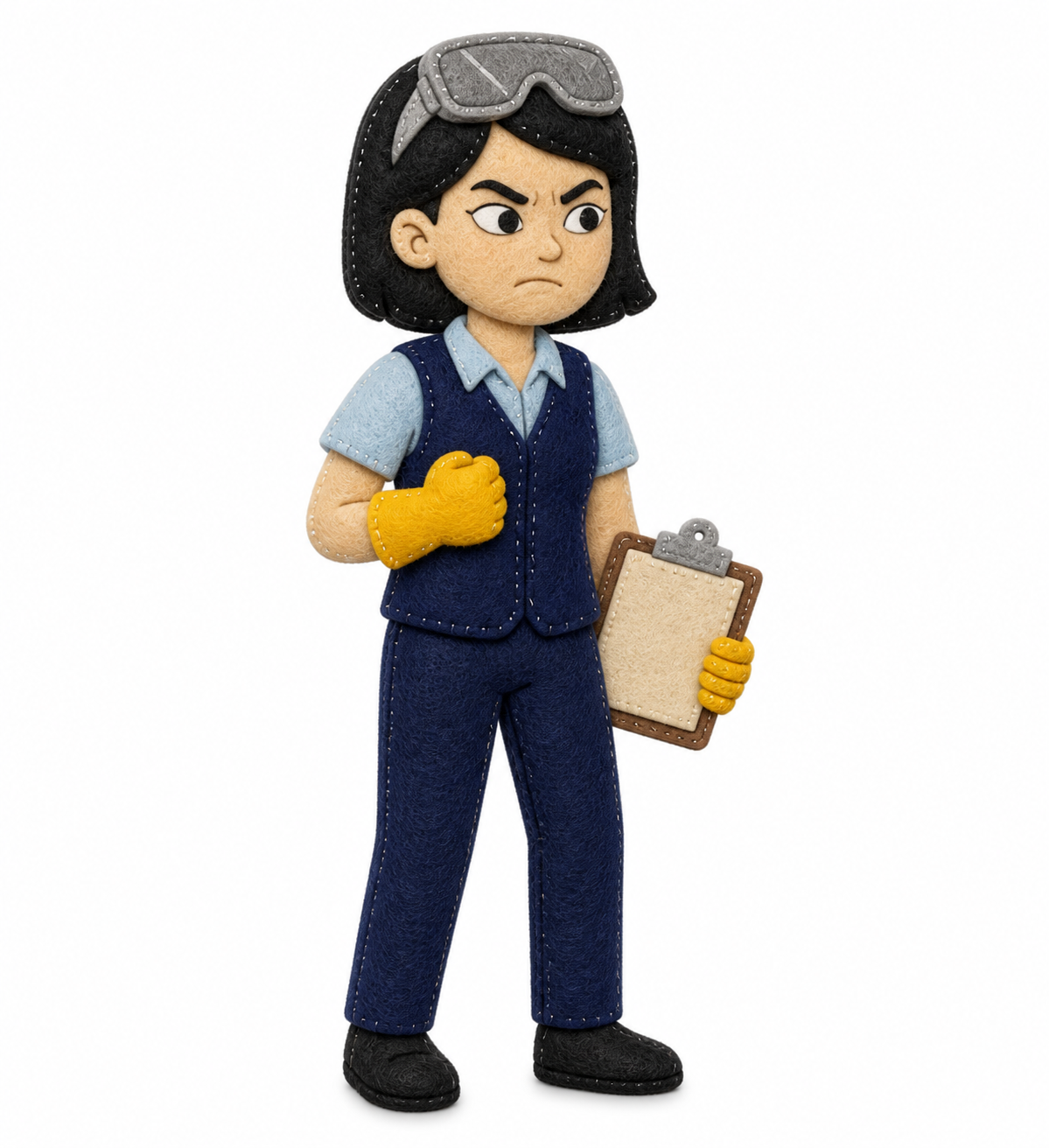
The manager takes one look and frowns.
“These aren't sorted by aisle!”
AI Literacy Mini-Lab
What you’ll explore
Explore repeated purchases in fictional shopping records. See how items can form clusters without being given occasion labels, then consider why people still need to interpret the groups.
A free, guided demonstration for families and classrooms. The examples and results are prepared in advance; a live AI model is not training in your browser.
Words used in the lab
Something that repeats in data more often than you would expect by chance.
A number showing how often two items appear in the same shopping basket. A high score means they are often bought together.
A group of items an AI has decided are similar, based on patterns it found in the data.
A name a human gives to something, like “Party” or “recyclable.”
Meet Foody
1 of 10
Step 1 of 10: Meet
Step 1
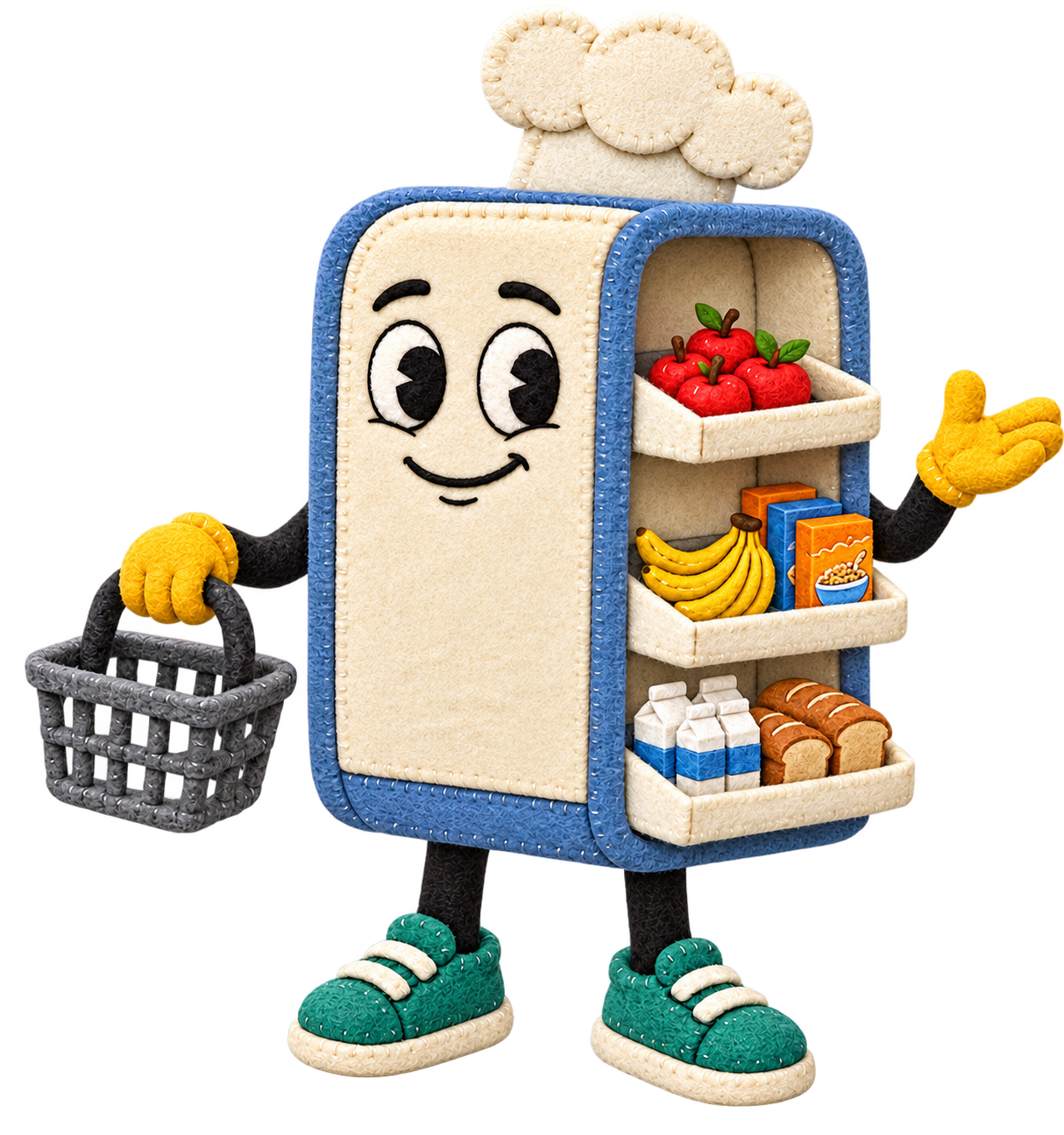
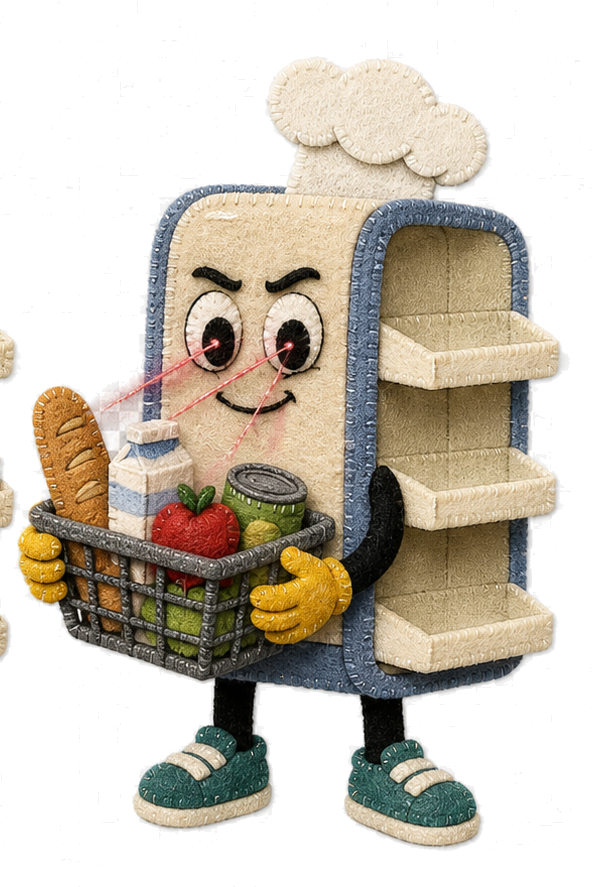
Meet Foody, the AI that works at a grocery store. Foody is Binny's cousin.
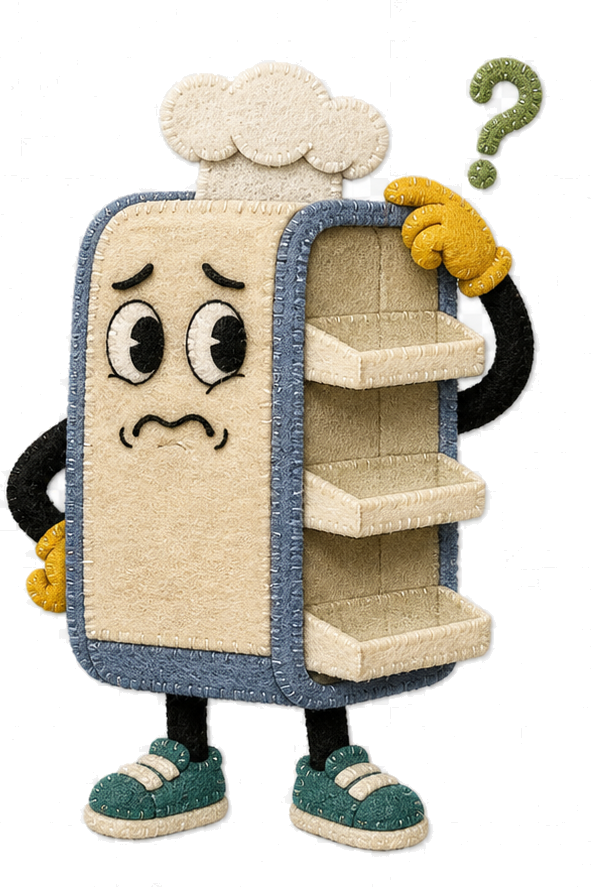
The store manager gave Foody a job: sort the latest delivery. But that was the whole instruction. No suggestions. No examples. No labels telling Foody what belongs where.
Step 2
Here is what came in the delivery. How is Foody supposed to sort them?
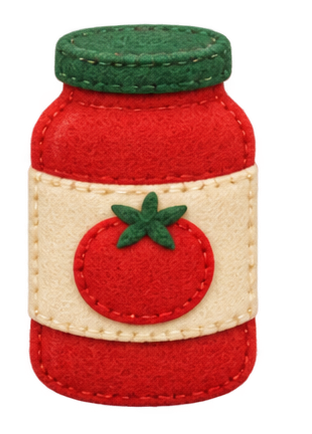
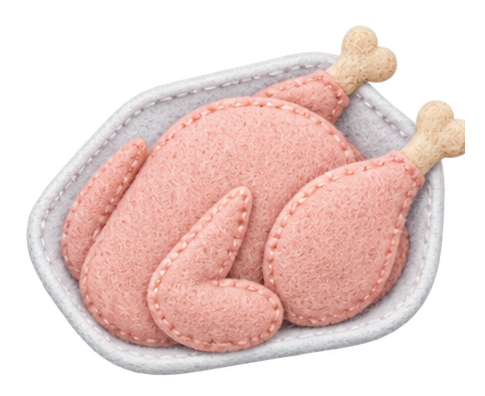
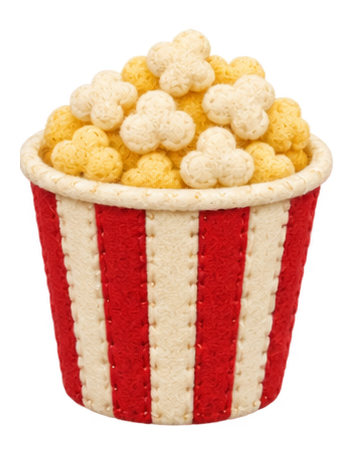
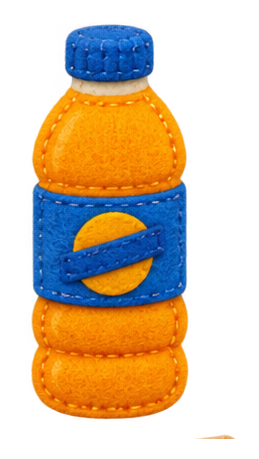
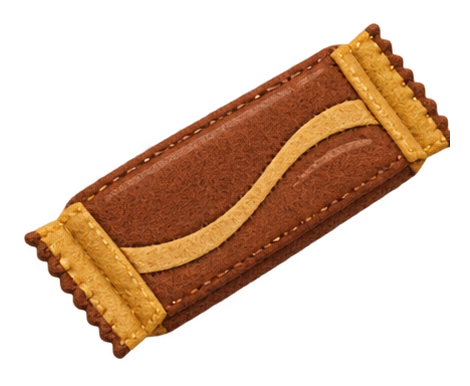
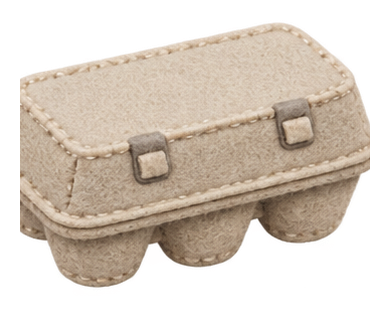
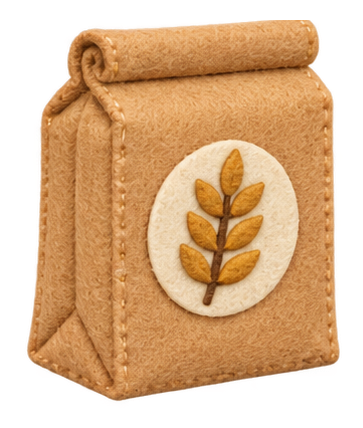
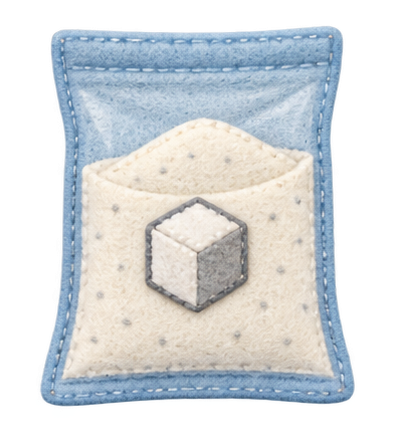
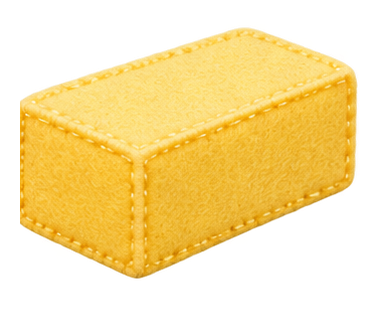
AI-assisted object illustrations
In Binny's lab, every training example already had a label: a human had marked each one as recyclable or not before Binny ever saw it. These grocery items are different. Nobody has told Foody what any of them are for, or which ones belong together. Foody has to work that out with no answer key at all.
Step 3
Foody scans each item, so it knows which product it is. But Foody needs more information before it can decide what belongs together.
Foody has access to old shopping records, so it looks for patterns in the shopping history.
Foody checks which items have appeared together lots of times and gives each pair a Together Score.
Foody checked every possible pair of items automatically. Nobody told it which combinations to look for.
Step 4
Foody put the items with high together scores into the same group. It calls each group a cluster.
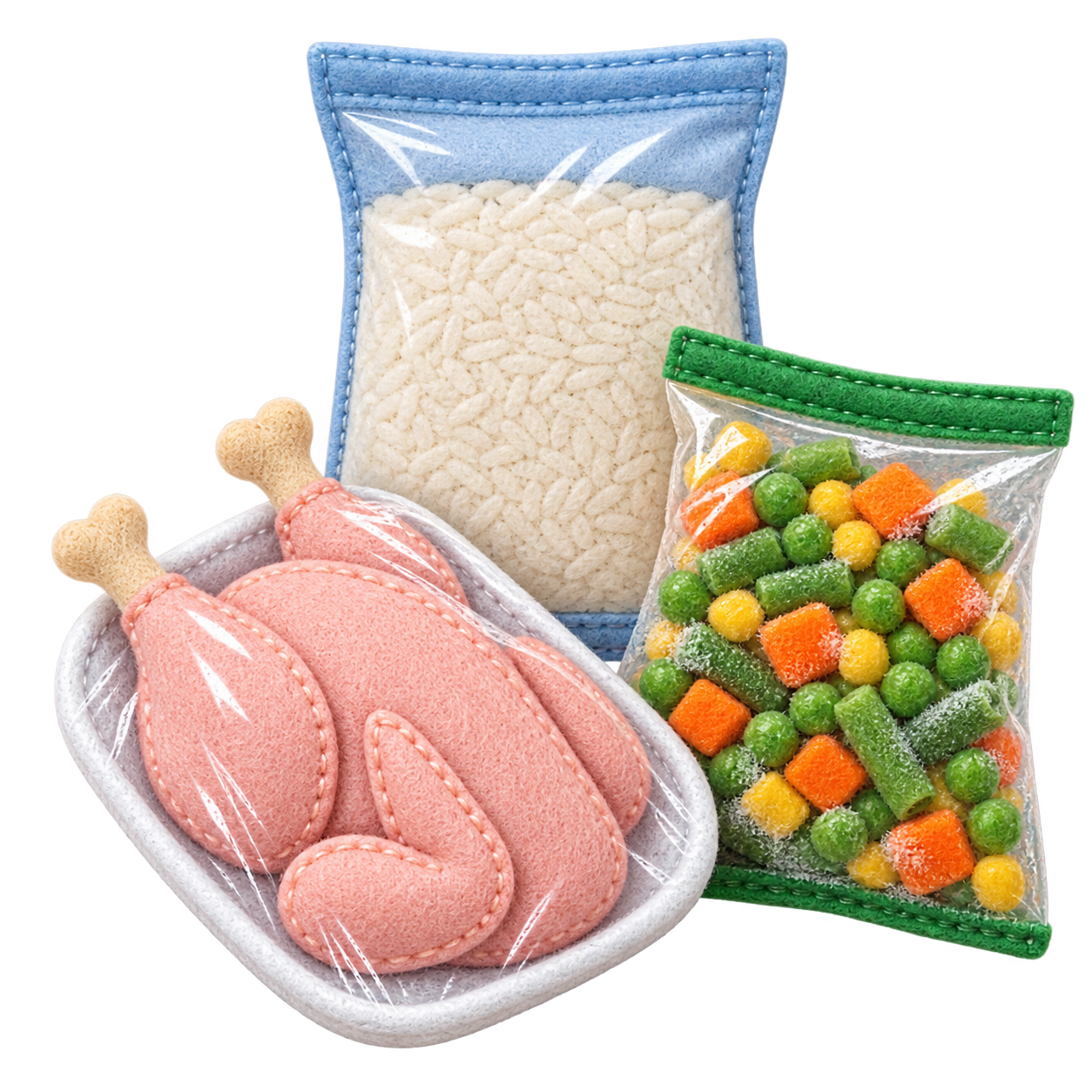
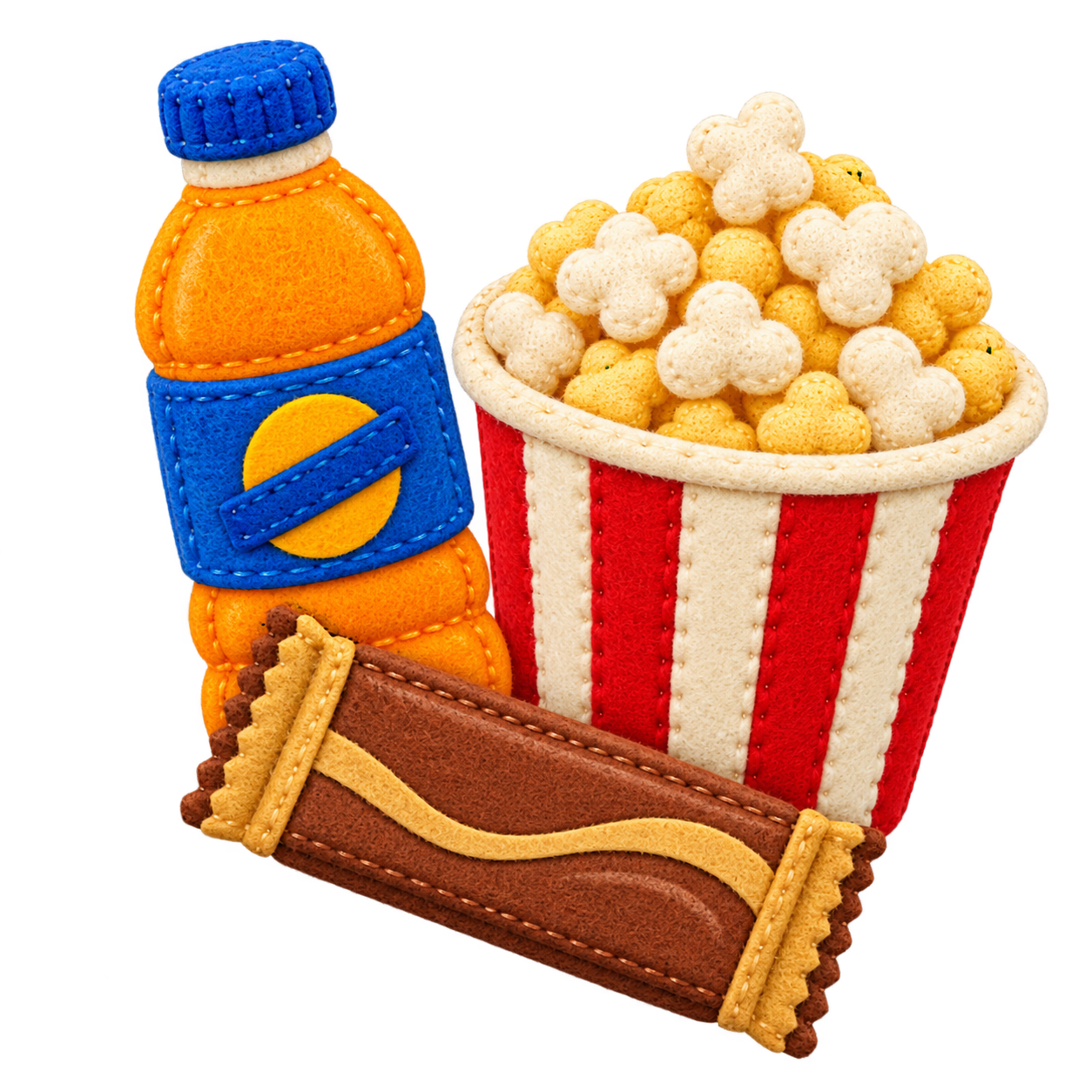
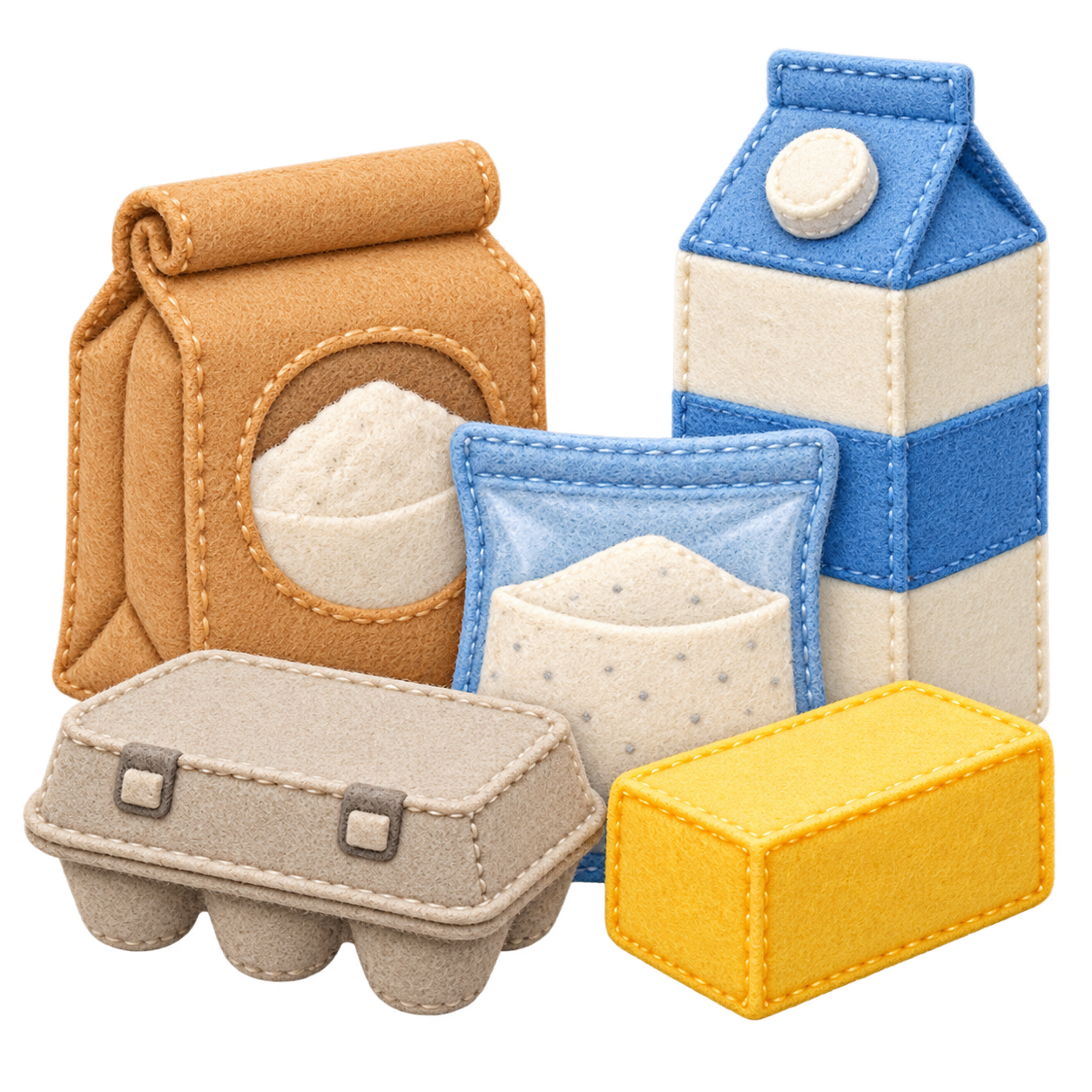
AI-assisted object illustrations
Look carefully. Foody sorted everything into three neat clusters, but it didn't give any of them a name. That part is still up to us. What do you think each cluster represents?
Step 5
Observed
“These aren't sorted by aisle!”
Pattern
Tinned food in one group, frozen food in another, and so on.
Impact
Items people tend to buy together can live in completely different parts of the store.
Step 6
So, did Foody get it wrong?
Not exactly. Foody did exactly what it was asked to do: find patterns and examine the context. It just found different patterns and imagined items together in a different context than the manager was expecting.
This is the interesting part. Foody was doing something called unsupervised learning. It was finding patterns with no labels and no correct answer given in advance. When you work that way, the pattern you find might surprise you. But a surprising pattern isn't the same as a wrong one. Hold on to that thought. It matters in a minute.
Step 7
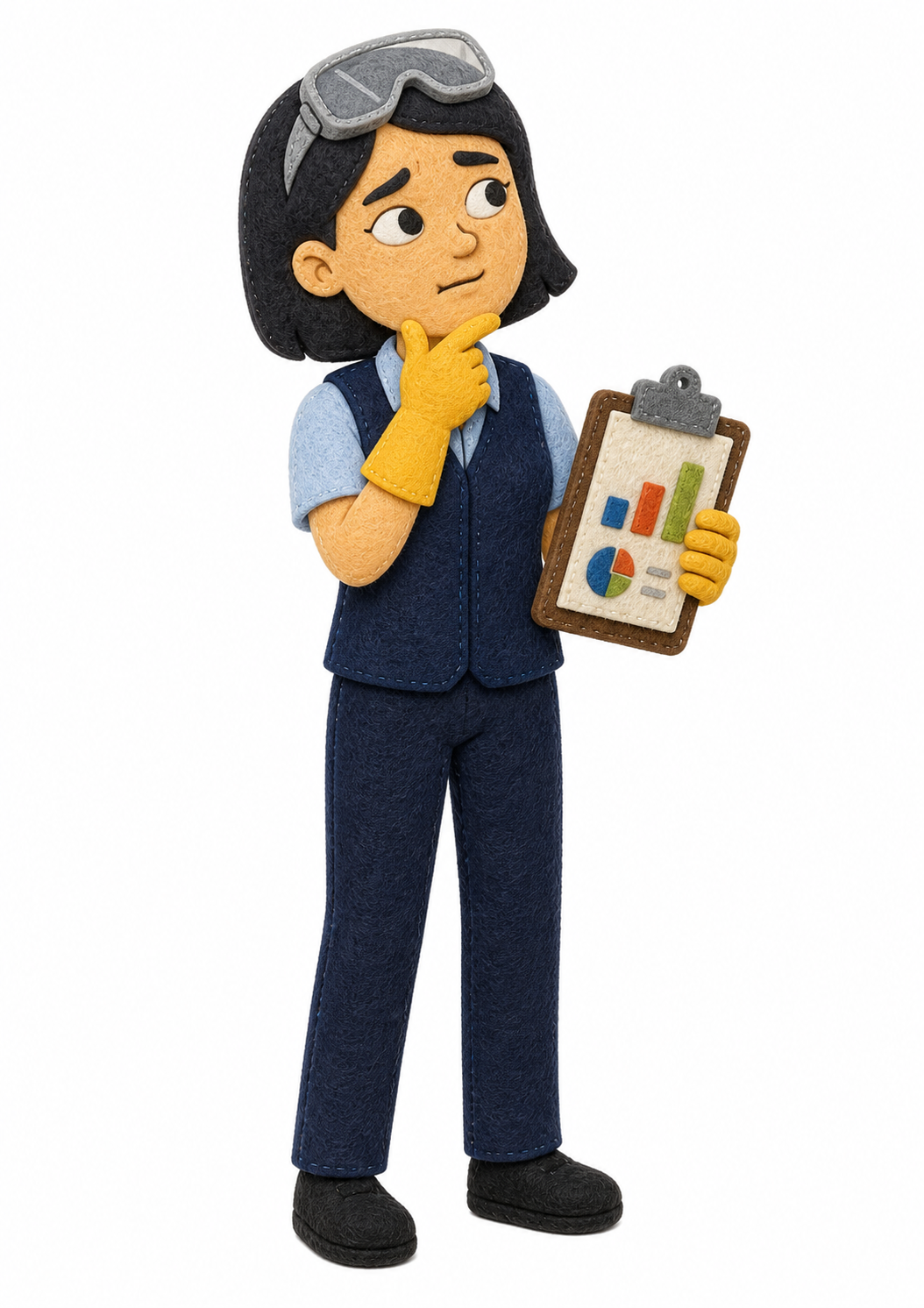
A week later, the manager is staring at the sales reports. The store's latest promotion flopped because it didn't reach the right customers.
“We need a new way to understand what our shoppers are actually buying.”
And then something occurs to her. The grouping Foody made, which annoyed her at first, might be exactly what the store needs.
Step 8
The manager gives Foody six anonymous shopping records. Tap an item name to find every other record where it appears. You can compare up to four patterns at once.
The records do not say why anything was bought. Your job is to notice what repeats before anyone gives the pattern a name.
Shopping record
| Item and size | Qty | Price |
|---|---|---|
| 3 | $4.50 | |
| 2 | $7.00 | |
| 1 | $8.50 | |
| 2 | $13.00 | |
| 1 | $7.50 | |
| 1 | $4.20 | |
| 1 | $3.80 | |
| Total | $48.50 | |
Shopping record
| Item and size | Qty | Price |
|---|---|---|
| 2 | $15.00 | |
| 2 | $7.00 | |
| 1 | $3.50 | |
| 1 | $8.50 | |
| 1 | $3.20 | |
| 1 | $5.00 | |
| 1 | $2.50 | |
| 1 | $8.00 | |
| Total | $52.70 | |
Shopping record
| Item and size | Qty | Price |
|---|---|---|
| 1 | $6.20 | |
| 1 | $2.40 | |
| 1 | $2.70 | |
| 1 | $6.50 | |
| 1 | $3.50 | |
| 1 | $3.80 | |
| 1 | $4.50 | |
| 1 | $7.50 | |
| Total | $37.10 | |
Shopping record
| Item and size | Qty | Price |
|---|---|---|
| 2 | $3.00 | |
| 2 | $7.00 | |
| 1 | $8.50 | |
| 2 | $13.00 | |
| 1 | $6.50 | |
| 1 | $5.50 | |
| 1 | $6.00 | |
| 1 | $5.00 | |
| Total | $54.50 | |
Shopping record
| Item and size | Qty | Price |
|---|---|---|
| 1 | $7.50 | |
| 1 | $3.50 | |
| 1 | $3.50 | |
| 1 | $8.50 | |
| 1 | $3.20 | |
| 1 | $5.00 | |
| 1 | $2.50 | |
| 1 | $3.50 | |
| 1 | $3.00 | |
| Total | $40.20 | |
Shopping record
| Item and size | Qty | Price |
|---|---|---|
| 1 | $4.50 | |
| 1 | $7.00 | |
| 1 | $8.50 | |
| 1 | $6.50 | |
| 1 | $5.20 | |
| 1 | $8.10 | |
| 1 | $3.50 | |
| Total | $43.30 | |
What did you find?
Repeated items are evidence of a pattern. They do not tell us what the pattern means yet.
Foody can compare far more shopping records than we can fit on this page. It notices which items appear together repeatedly, but the records do not explain why. Finding the repetition is only the first step. A human still has to interpret what the group might mean.
Step 9
Foody grouped items that repeatedly appeared together. Tap each cluster to inspect the items. The occasion name on the back was added by the manager after looking at the evidence.
Foody’s clusters revealed something the manager hadn't thought of.
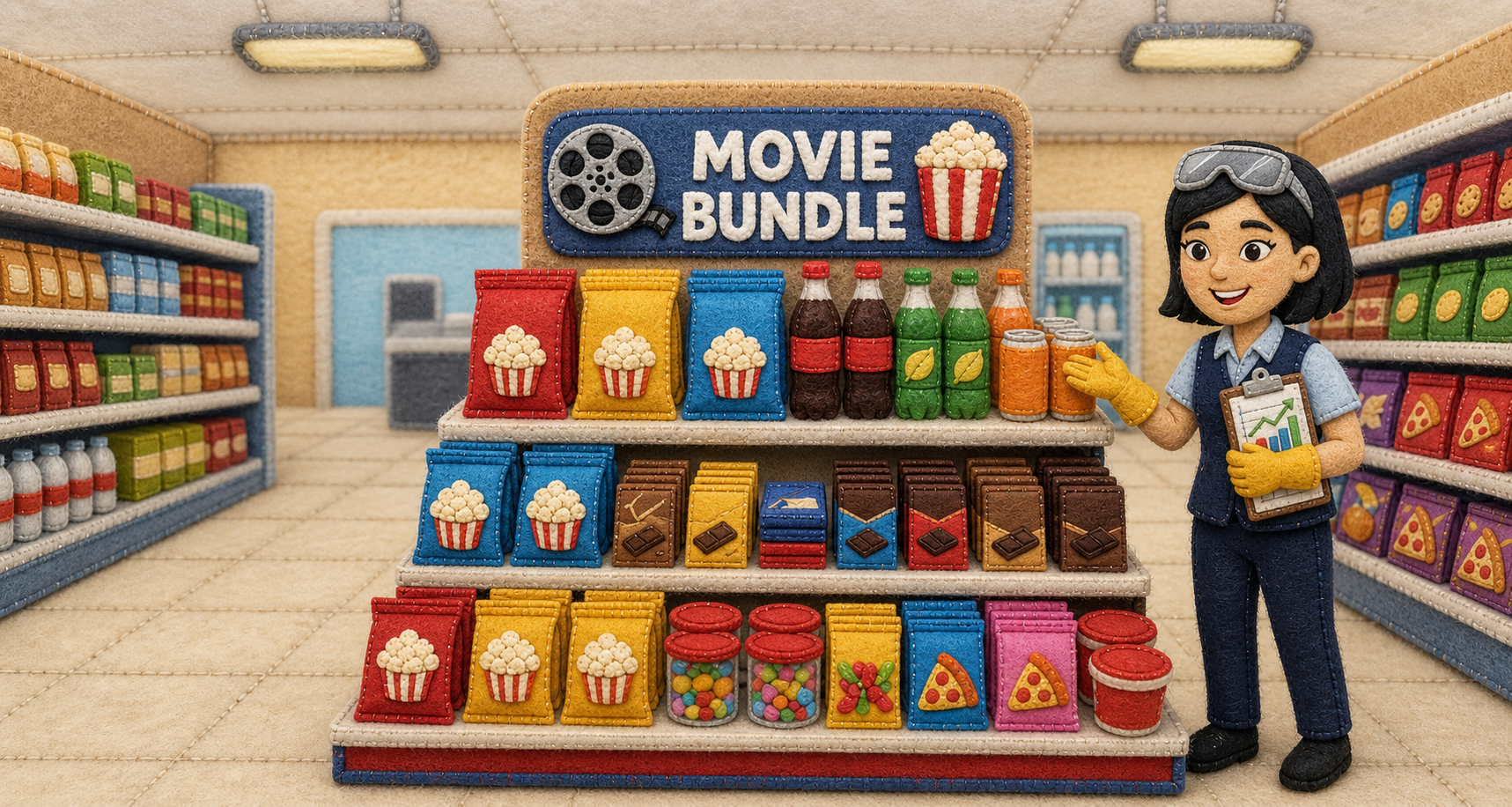
The store had never organised promotions by occasion before. But Foody's pattern suggested: customers who buy popcorn, soda, and chocolate together might also respond to a "Movie Night bundle" deal, even though those items sit in three different aisles.
The manager hadn't planned that. Foody found it.
0 of 6 clusters revealed
Foody found the groups using together scores. It did not know these were movie nights, barbecues or baking days. The manager interpreted each cluster and gave it a useful name. Foody found a pattern; a human decided what it meant.
A useful next step
The Movie night cluster suggested placing popcorn, chocolate, cola and frozen pizza together in one promotion. Foody did not decide to run it. The manager chose to test the idea.
Step 10
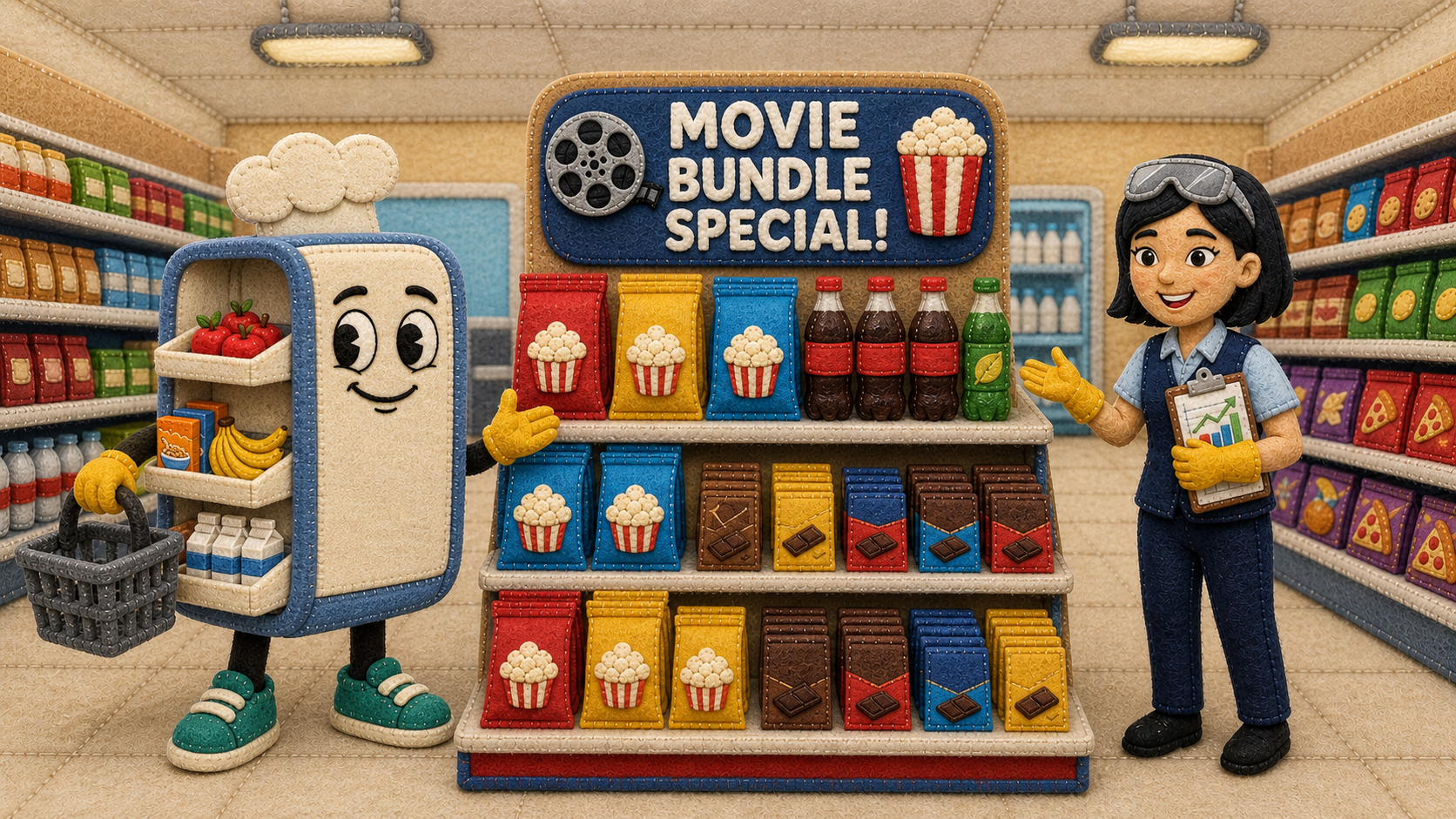
Foody sorted grocery items into clusters with no labels and no rules. When more items were added, new clusters appeared, including some the manager had never thought to look for.
Foody gives every pair of items a together score, which records how often they turn up in the same basket. It then groups the items that score highly together. The names, like Party and Baking day, come from humans. Foody just finds the groups. This is called unsupervised learning.
Foody's clusters depend entirely on the shopping data it's given. Different data would produce different clusters. If a shopping occasion is rare in the store's records, Foody might never find it, even if it is real.
Foody can find a pattern, but it can't tell you whether that pattern is useful, fair, or worth acting on. Every cluster Foody finds needs a person to interpret it and decide what to do next.